Executive Coach for Leaders and Organizations Who Refuse to Stay Stuck
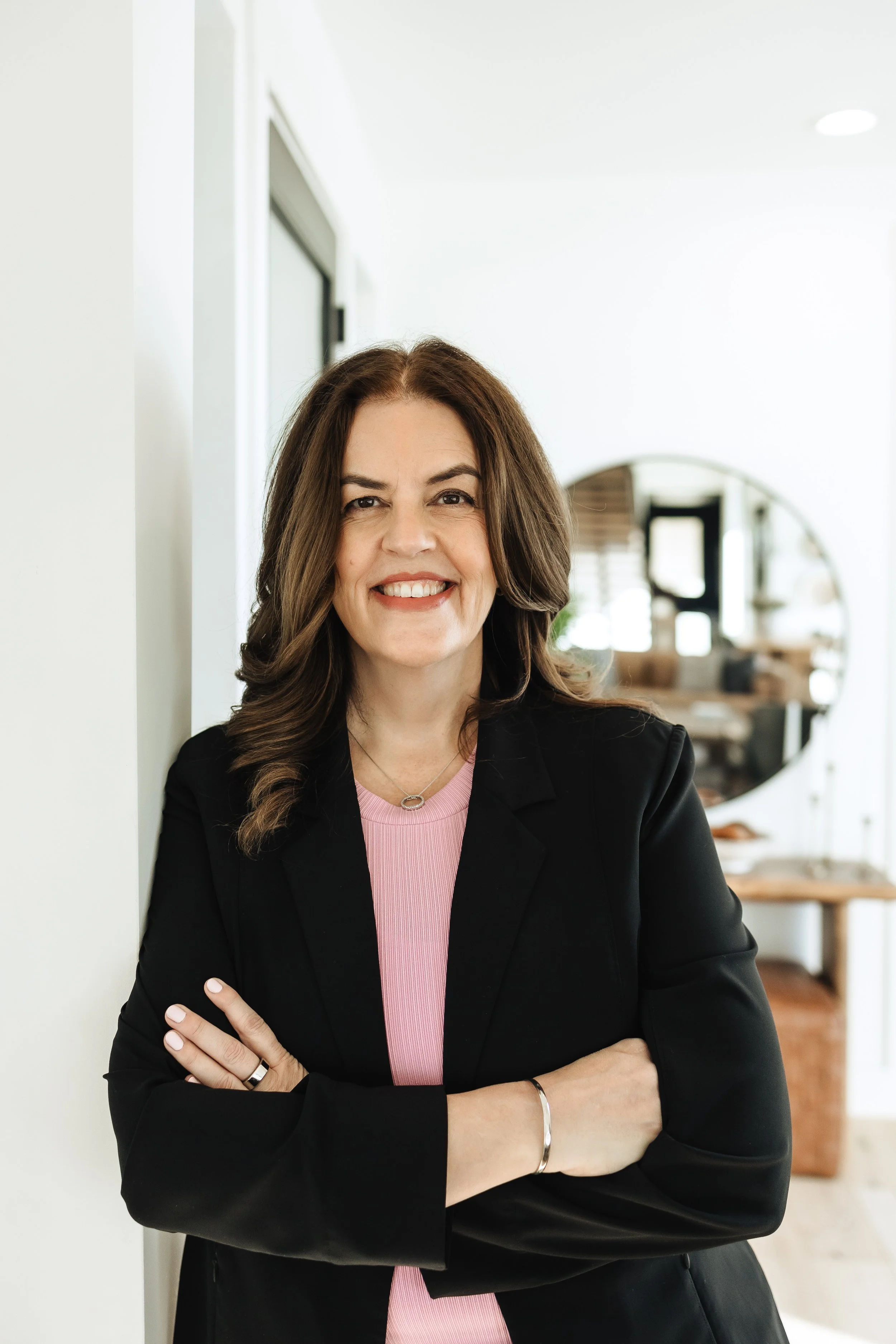
I’m Allison Williams, an ICF-certified executive coach and business leader who helps high-achievers navigate complex transitions, from leadership shifts to organizational change, with clarity and confidence. Whether you’re redefining your role, steering your company through change, or making a major career move, I provide the strategic insight and practical tools to help you move forward with purpose and impact.
In life and business, uncertainty is the only constant. Learning to navigate it isn’t just a skill—it’s a competitive advantage.
You know the feeling.
The one that creeps in during quiet moments, when the demands of the day fade, and you’re left with a lingering question:
Is this all there is?
On paper, everything looks solid: the title, the accomplishments, the business you’ve built, or the leadership role you’ve earned. But beneath it, something feels off. There’s a whisper of discontent, a quiet knowing that you’re stuck in patterns that no longer serve you or your company.
Do any of these sound familiar?
You’re an executive who’s spent years defining yourself by your work, only to realize that what got you here isn’t working anymore.
You’re a business owner who built something incredible but now feels trapped by it. You know it’s time to step back, transition, or let go—but you can’t.
You’re leading a company where things just aren’t clicking. The strategy is sound, the talent is there—but trust is eroding.
These are signs that something
needs to change.
And I've watched this pattern play out hundreds of times.

"For years, I watched good leaders leave."
I spent two decades in leadership roles at NVR/Ryan Homes, Trulia, and Monster.com, and then as co-founder of an executive search firm placing VP-and-above leaders across homebuilding and real estate. I earned my MBA, built a reputation, and from the outside the work looked like a steady run of successful placements.
What I was actually doing, year after year, was sitting across from hundreds of high-performers walking away from companies they once loved.
It was almost never about compensation. It was almost never about a competitor calling. It was that they felt unseen. Feedback wasn't landing. The team dynamics around them had quietly become untenable. By the time they were across from me, the company had already lost them — they just hadn't been told yet.
I became obsessed with two questions: who actually belongs on a team, and why do leaders so often miss the answer until it's too late?
That obsession was my inflection point. I left search to work upstream of the resignation — with builder and developer leaders making the decisions that determine whether top talent stays committed or quietly walks out the door.
Friction leads to inflection.
At some point, every leader I work with realizes the same thing: pushing harder isn't the answer.
At first, most try to push through. More meetings, more direct reports, more late nights, more force. But the patterns underneath a team don't yield to effort. They yield to reflection — the kind that pauses long enough to see what's actually happening between people, not just what's showing up on the dashboard.
That reflection leads to insight. The realization that the leader who's gone quiet isn't underperforming, they're disengaging. The top performer isn't unmotivated, they're already halfway out the door. The team isn't broken, it's misaligned in ways no one has named out loud.
And insight makes action possible. Not the dramatic kind — the precise kind. The right conversation with the right person at the right time. The decision that stops being delayed. The pattern that finally breaks.
That's why I do this work. The moment a leader can name what's actually happening on their team is the moment they can change it. Most companies wait too long. The ones that don't are the ones I work with.

Now, I help leaders see the patterns they've been carrying — and the ones running underneath their teams.
I work with both individuals and organizations because leadership doesn't happen in isolation. A leader's blind spots show up in their team's dynamics. A team's friction traces back to leadership patterns no one has named. You can't fix one without seeing the other — which is why my work moves between the two, depending on where the leverage is.
How Real Change Happens
-
Notice the tension. Something isn’t working, even if you can’t name it yet.
-
Identify the patterns that got you here and question if they still serve you.
-
Gain clarity on what needs to change and why.
-
Take intentional steps to create lasting change.
This isn’t about quick fixes.
It’s about real transformation. When you start recognizing the patterns shaping your choices, leadership, and organization’s culture, you unlock the ability to rewrite the story. The question is: Are you feeling the friction? And more importantly: Are you ready to turn it into action?
About Me (The Fun Stuff!)
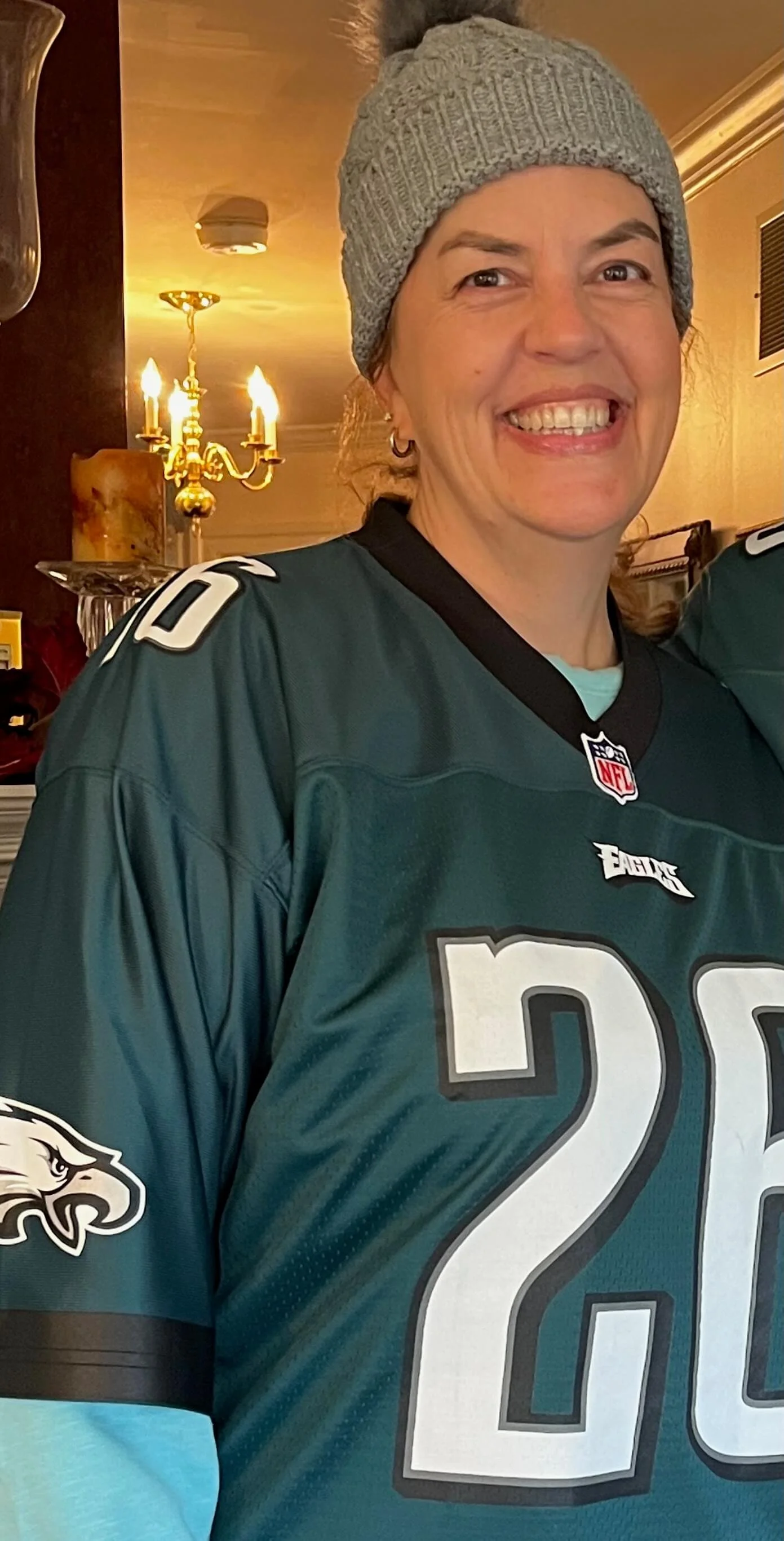
I’m from Philadelphia, a proud Penn Stater, and a die-hard Eagles fan, which means I bring the same intensity to coaching as I do to my sports fandom. Also, I love Christmas—so much that I keep one Christmas decoration out all year, because why limit the holiday spirit (a tradition born from me missing one every January when I put the decorations away)? Speaking of controversial opinions, black jelly beans are elite (fight me on this), and when it comes to cheesesteaks, NEVER WIT WIZ—provolone all the way. I speak just enough French to be given the benefit of the doubt in Paris, and I have a favorite swear word…ask me what it is sometime.
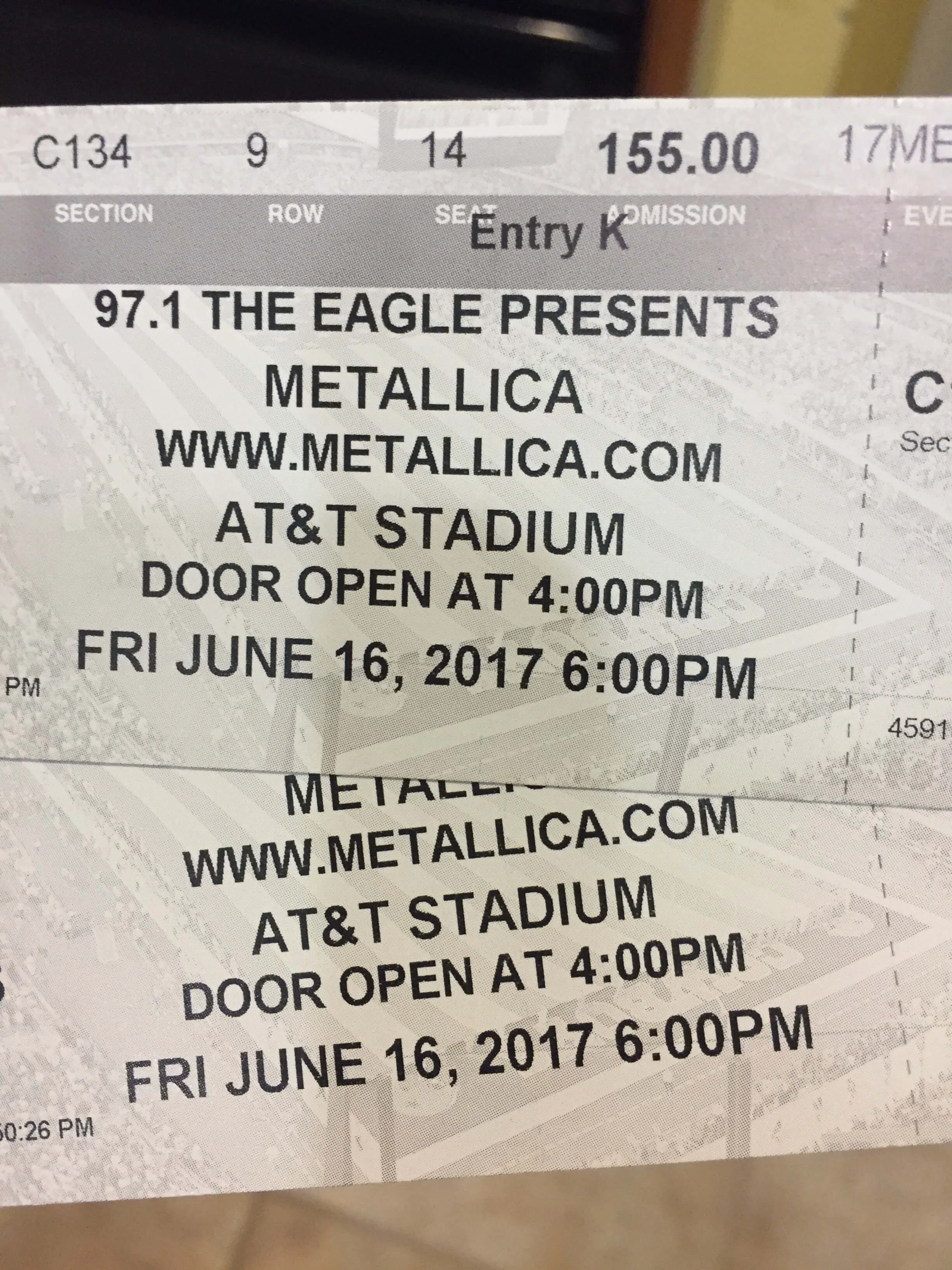
I’m addicted to my Oura ring, mostly because it’s taught me how to take feedback I don’t want to hear. I got my motorcycle license just to prove I could (haven’t used it since), won a chili cookoff in Texas two years in a row—with beans in my recipe, and I still think nothing beats a loud concert (especially when it’s Metallica—I’ve seen them five times since I was 17!).
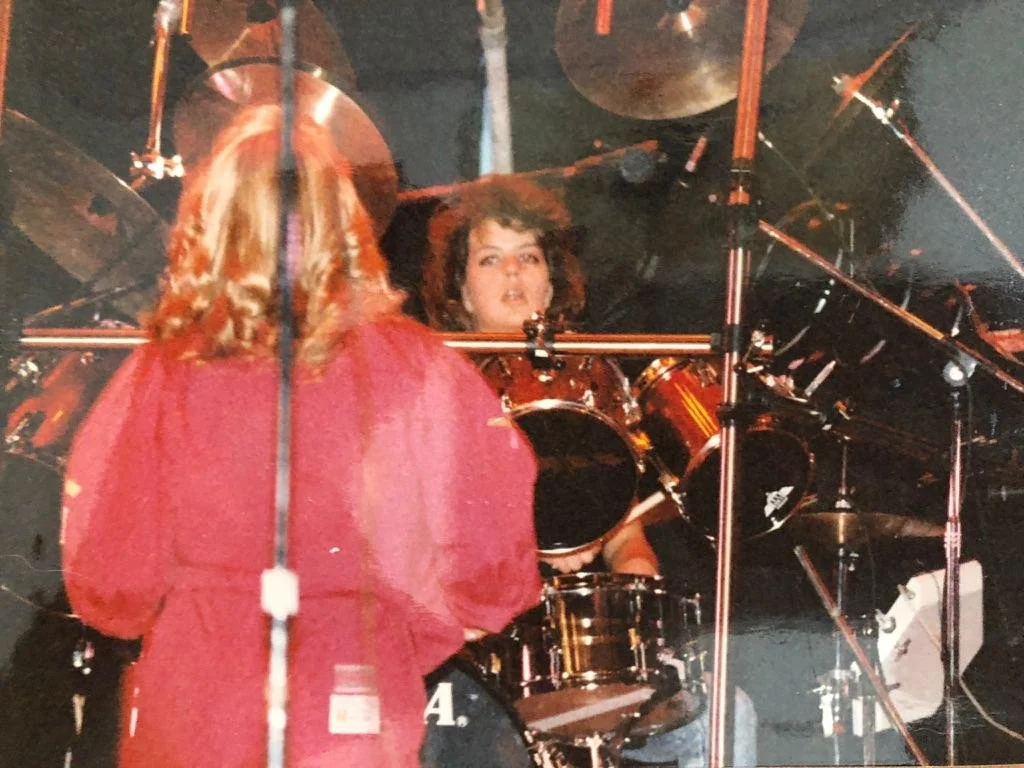
And fun fact: I was actually a drummer in high school, recorded a demo tape, and even won a Battle of the Bands. My ideal weekend includes nature, great coffee, and a book I’ll pretend I have time to finish. If I could have dinner with anyone, living or dead, I’d pick my Grammy—because I really miss her. And at the end of the day, I believe the best life lessons come from places we don’t expect—like parenting, yoga studios, and hard conversations we’d rather avoid.